Available nationwide for in person, virtual and over the phone appointments now! Contact us


How I Became a Thai Court Interpreter Across 6 States. And Why It Matters More Than You Think
What if one overlooked detail in a courtroom could change someone’s life forever? For many Thai-speaking individuals, that detail is language access. Here’s how expanding across multiple state court rosters isn’t just a career milestone—it’s a mission to protect fairness, accuracy, and justice where it matters most.
Kantarose Woolley
3/19/20262 min read
Becoming a Multi-State Thai Court Interpreter: What It Means and How Reciprocity Works
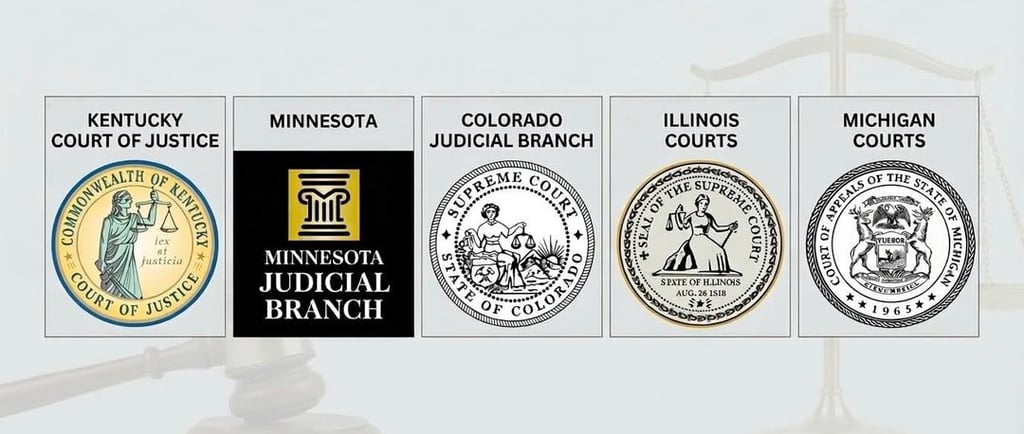
I’m proud to share a major milestone in my professional journey: I am now officially registered as a Thai court interpreter on the court rosters of multiple states—Kentucky, Colorado, Illinois, Michigan, Idaho, and New Jersey. This achievement represents more than just expanding my credentials; it reflects a deeper commitment to ensuring equal access to justice for Thai-speaking individuals navigating the legal system.
In this blog, I want to explain what it means to be on a state court roster, how reciprocity works, and how this impacts the people and communities I serve.
What Does It Mean to Be on a State Court Interpreter Roster?
Each state maintains its own official roster of qualified or certified court interpreters. Being listed on a roster means that the state recognizes an interpreter as meeting its standards for competency, professionalism, and ethical conduct.
For clients, attorneys, and courts, this provides reassurance that:
The interpreter has been vetted through testing, training, or credential review
They understand legal terminology and courtroom procedures
They adhere to a professional code of ethics
For interpreters like me, being on multiple state rosters means I can legally and professionally accept court assignments in those states, whether in-person or remotely (depending on the court’s policies).
What Is Reciprocity in Court Interpreting?
Reciprocity is a process that allows an interpreter who is already certified or registered in one state to apply for recognition in another state without starting from scratch.
Instead of repeating the entire certification process, states may accept:
Existing certifications (such as state or national credentials)
Prior testing results
Verified professional experience
However, reciprocity is not automatic. Each state has its own requirements, and approval depends on how closely your qualifications align with that state’s standards.
Why This Matters for Clients and Communities
For Thai-speaking individuals involved in legal proceedings, access to a qualified interpreter is not just helpful—it’s essential. Miscommunication in court can have serious consequences, from misunderstandings of rights to unfair outcomes.
By expanding my presence across multiple states, I aim to:
Increase availability of Thai language support
Reduce delays caused by interpreter shortages
Ensure accurate and culturally competent interpretation
Support fairness and due process
Looking Ahead
This milestone is just the beginning. My goal is to continue seeking reciprocity in additional states and strengthening my ability to serve wherever the need arises.
Language should never be a barrier to justice. Every individual deserves to be heard, understood, and treated fairly, no matter what language they speak.
If you or someone you know needs a Thai court interpreter, or if you’re an interpreter interested in pursuing reciprocity, I’d be happy to connect and share more about the process.
#ThaiInterpreter #CourtInterpreter #LanguageAccess #LegalJustice #CareerMilestone
Quick Links
Get in touch
Phone
© 2026. All rights reserved.